History Articles
Ancient Food Crops
Discovery of Yams
During a severe famine in the old days of the Tiv, people traded daughters for food, or remained hungry. People had eaten unfamiliar crops, including wild tubers, which turned out poisonous and proved fatal.
An orphan boy wandered into the forest scavenging for food to eat. He came upon a strange tuber he did not recognise. He hesitated but went ahead anyway, throwing all caution to the wind as he felt he had nothing to lose. He found that he continued to stay alive, with no symptoms or illness, and so he would continue to go back into the forest to help himself to more of this tuber.
An old man from the orphan’s settlement, noticed he looked well and asked him how he managed this. The orphan shared his discovery and the old man, thought it might be a familiar tuber the had for called the Anumbe. After the man tried some, he realised this was tastier than the anumbe, he got his sons to announce this discovery to the community – which is how its name came about - i yôô a yôô – which means, it was announced publicly. I yôô a yôô evolved into Iyough, which is the name for Yam in Tiv.
Symbolism of Yam
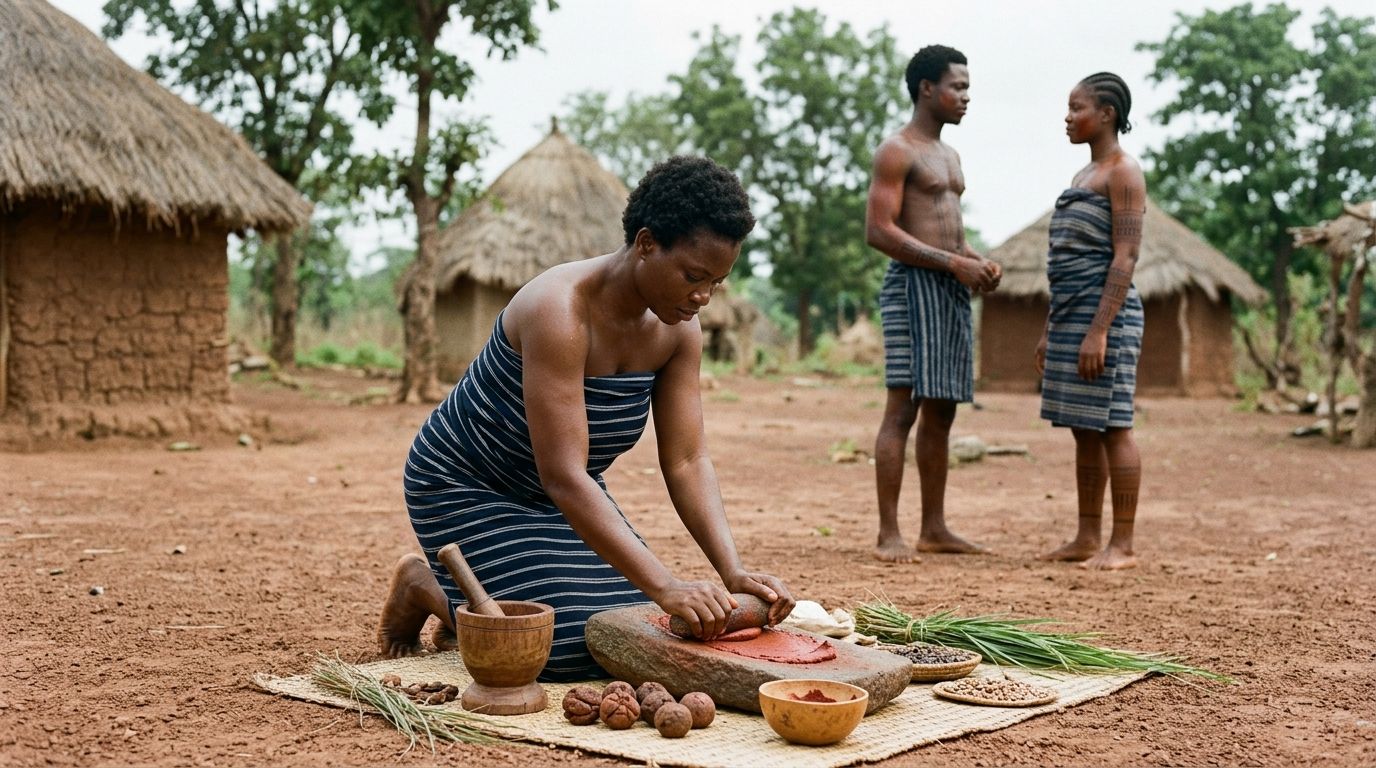
In this period, the Tiv only dug yams from the wild. An Udam woman came along and taught them to properly cultivate the yams: making mounds, burning trees for fertiliser, staking vines, and cutting off the top (ikôr) for seed yams. The Tiv noticed that cultivated yams gave a better yield than those in the wild ones, so they took instruction.
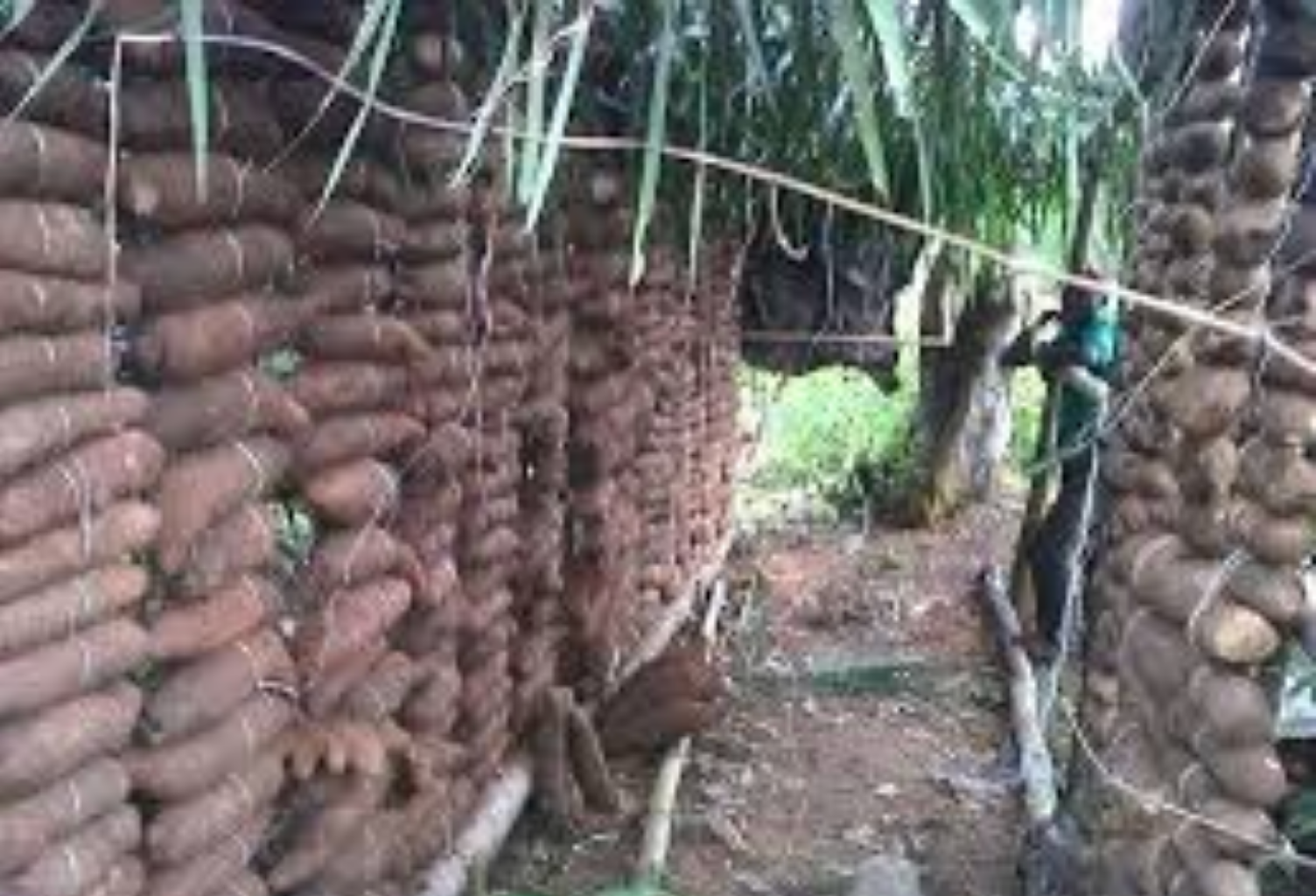
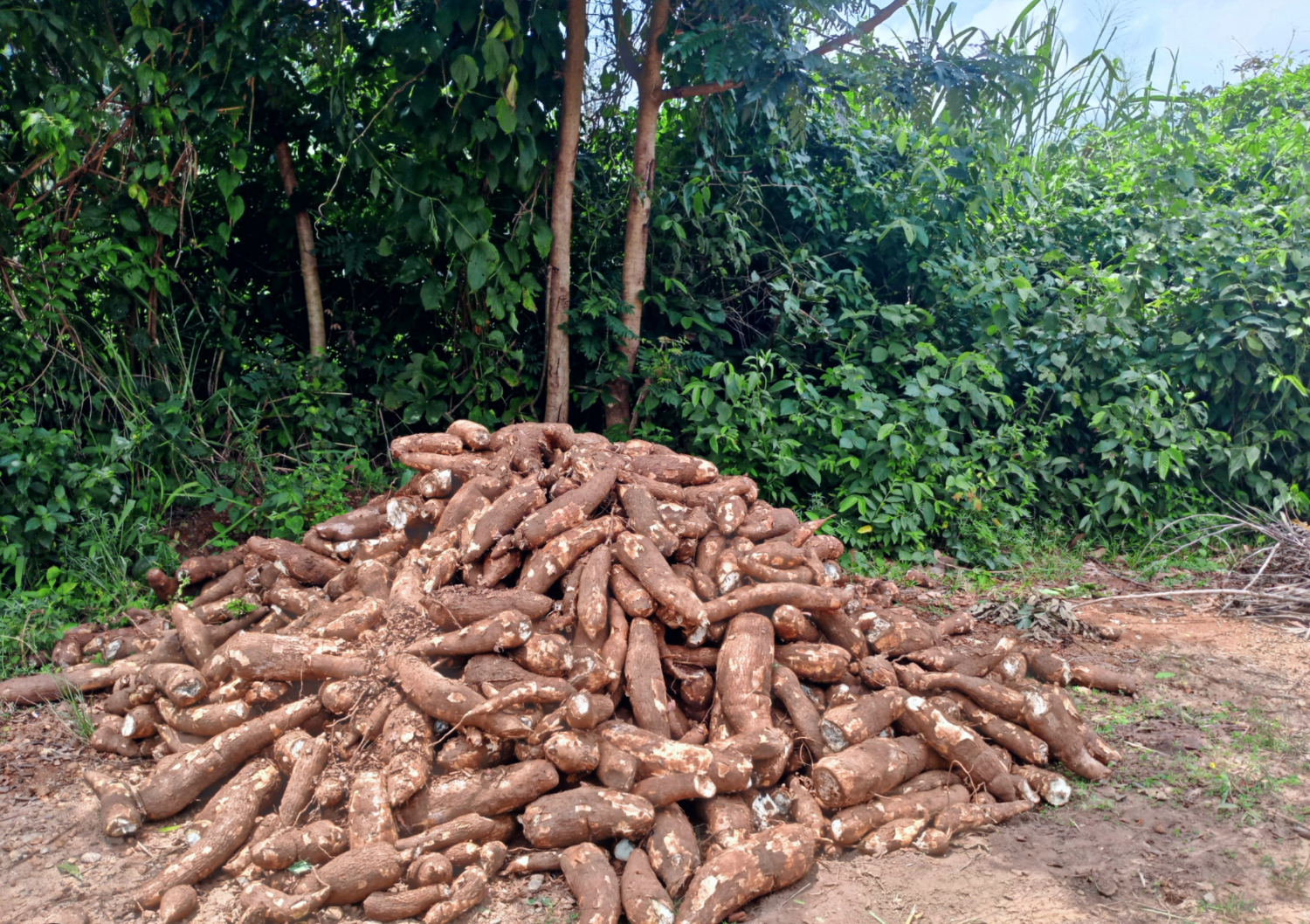
They roasted the yams and also made them into flour, including the masculine yam species Nangheh (having many varieties and distinct foliage) and the slower-cooking Agbo. The Udam also taught them to pound the yams into Ruam. Using hollow stones until mortars were invented.
The orphan’s discovery and the Udam woman’s teachings, transformed Tiv agriculture and food security, turning yams into a symbol of prosperity. This led to yam farming rituals, led by the village head. He would make the first mound using in special emblem – in silence. Before the public could eat the harvest, Akombo rites were performed. Then harvest yams displayed (iyouv mbi penden), ready for the feast.
READ:
LISTEN:
CATEGORIES:
Based on authoritative sources, ensuring historical accuracy and cultural integrity.
Share article:
Recommended Articles