History Articles
Early Tiv Habitations
Settlement and Temporary Homes
Mount Ibenda stands as the symbolic gateway into Tivland.
When the Tiv first settled there, they looked around and saw no threatening ethnic groups nearby. Only the Udam and Uke lived close by, and neither posed any danger. This sense of peace allowed the Tiv to build their homes and enjoy a pleasant life.
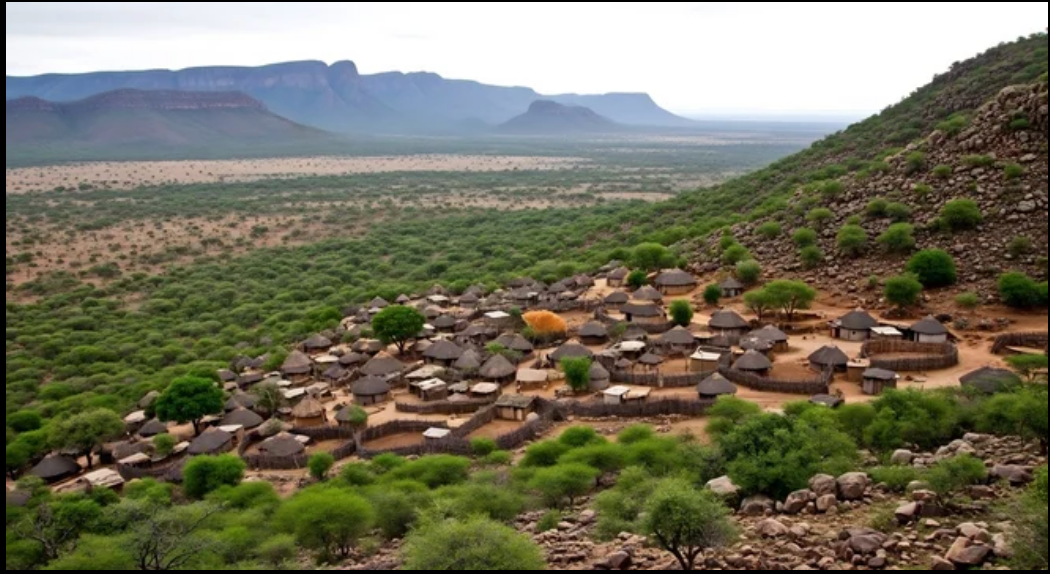
In the beginning, they constructed simple temporary structures. These were large huts of medium height called abughurtimbe, meaning “spacious tents.” Some people referred to them as akwagi, named after one of Ipusu’s descendants who excelled at building them.
These early dwellings provided quick shelter while the community established itself. The Tiv felt secure on Ibenda, free from immediate threats, and focused on creating a stable home environment. The name akwagi still carries respect, honouring the skill of that early master builder.
As time went on, the Tiv moved beyond temporary tents and began experimenting with different shapes and sizes. Always building using the same basic concepts they had learned. This gradual evolution marked the transition from nomadic-style shelters to more settled living.
Traditional Tiv Hut Construction
Constructing an akwagi dwelling followed a careful, time-honoured process. A man would first select and prepare a suitable site. He then gathered slender, supple sticks from the bush and drew a circle on the ground matching the desired size of the hut.
Using a peg, he dug holes around the circle, leaving space for the door. The sticks were fixed into the holes and secured with sand. Next, he collected vines from the forest. Standing in the centre, he bent the sticks inward, tied them together with vines to form the dome-shaped framework, and finally thatched it with grass.
The peaceful settlement at Mount Ibenda laid the foundation for all future Tiv architecture and community life. It was here that the Tiv truly began to feel at home in their land.
Building the Akwagi and Nortimbe
This basic technique produced the classic akwagi tent. Over time, the Tiv refined their skills and created variations. One popular style was the nortimbe — a large rectangular hut built using the same core principles of sticks, vines, and thatch.
These early innovations allowed families to have both spacious living areas and dedicated spaces for relaxation, which they called “gazebos.” The construction methods remained simple yet effective, relying on materials readily available in the surrounding bush and forest.
The akwagi and nortimbe represent the Tiv’s early mastery of local resources and communal building knowledge. Even as building techniques evolved, the ingenuity of these traditional methods continued to influence later Tiv architecture.
Building the Traditional Tiv Sleeping Hut
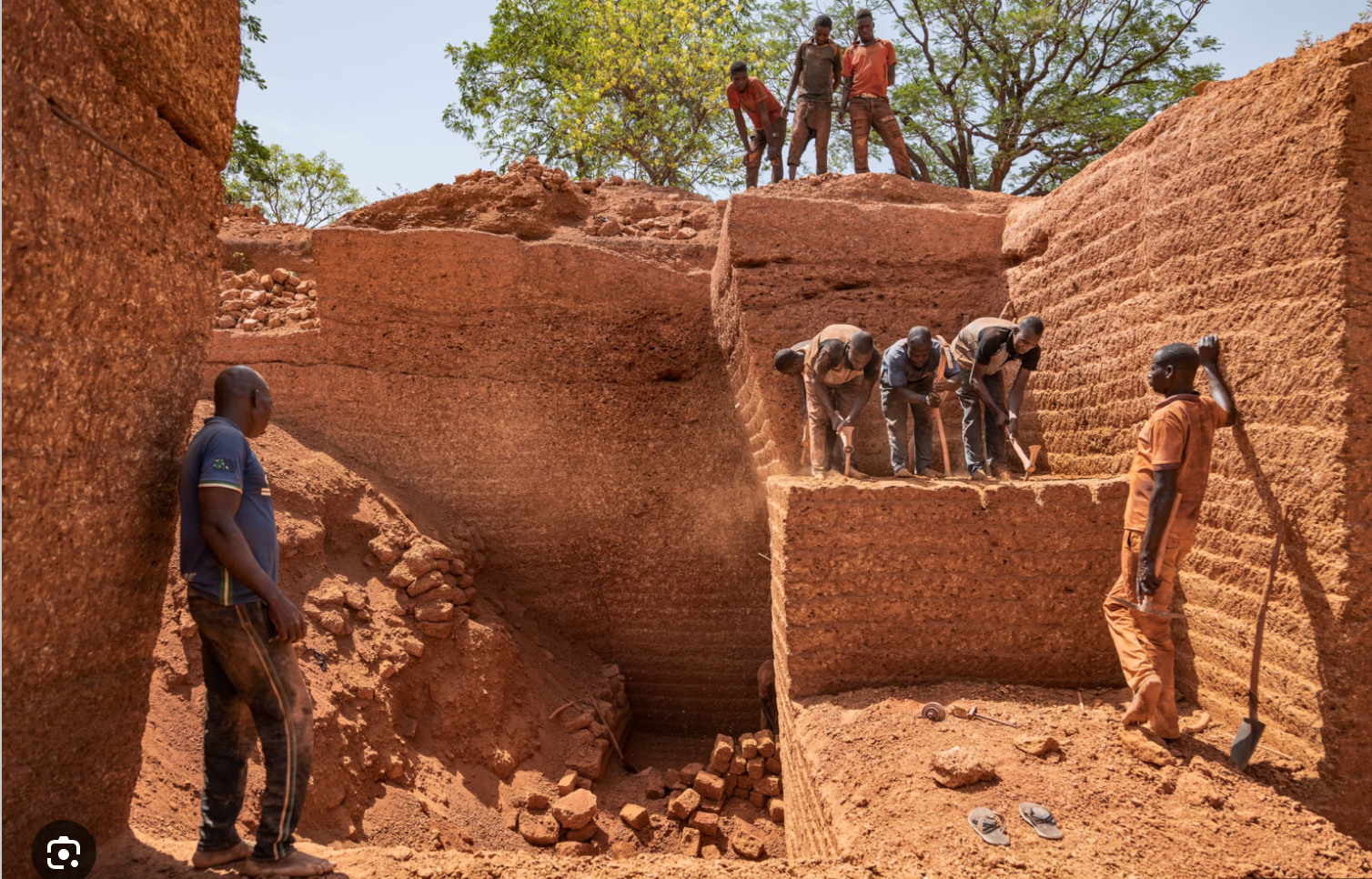
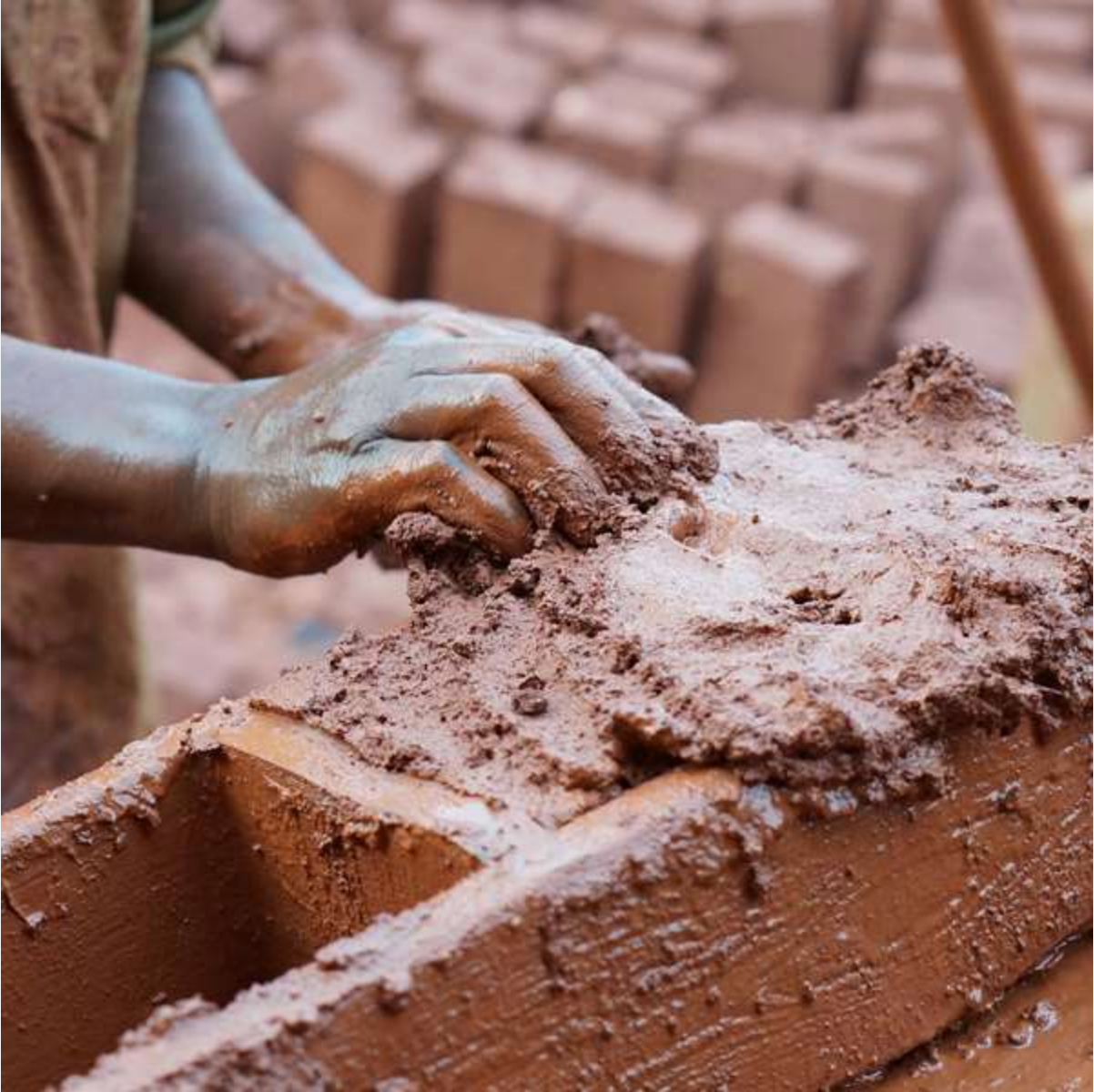
Building a proper sleeping hut required patience and teamwork. A man would prepare the site, create a central heap of sand, and trace a circle around it. He dug a shallow trench along the circle and mixed soil with water to form mud.
Two boys assisted: one moulded sun-dried bricks, the other carried them to the site. The man laid the bricks in the trench to form the foundation, plastered it with mud, and built upward. After reaching door height, he added a lintel and continued until the walls reached the required level. Some builders used stone foundations for greater stability, though pure mud huts were also admired.
Walls, Roof, and Interior
Roofing was a communal effort. Long poles served as rafters, and ichen grass was plaited into ropes. Friends and relatives helped create a strong framework, which was then carefully lifted onto the walls amid much shouting and excitement — “Push it forward!” “Tilt it this way!”
Once the roof was secured, the wife took charge of the floor. She levelled the interior, spread laterite clay, rammed it firm, then added termite-hill soil as a hardener for a smooth, crack-resistant finish. The result was a solid, comfortable home ready for daily life.
This process combined individual skill with community support, reflecting core Tiv values of cooperation and craftsmanship.
In Conclusion
Understanding the story of Ichôngo and Ipusu remains crucial for appreciating Tiv heritage. While both lineages maintained strong cultural bonds, they developed distinct identities. These groupings brought order to Tiv society, ensuring that families understood their place within the larger structure. Even today, many Tiv social and political decisions reflect this ancient division. Their legacy continues to guide relationships, inheritance, and collective identity among the Tiv people.
READ:
LISTEN:
CATEGORIES:
Based on authoritative sources, ensuring historical accuracy and cultural integrity.
Share article:
Recommended Articles